

Mesoscience in Practice: A Lecture Series by the International Panel of Mesoscience
Catastrophic mountain hazards pose challenges both before and after failure. Looking back, we must ask whether meaningful signs of instability existed, whether they could have been reliably observed, and whether we had the capability to recognise them. Looking forward, communities face an equally difficult question: how can people live safely in landscapes where hazards remain?
Curious about the answers to the above questions? Join us on October 13 for a lecture by Professor Antoinette Tordesillas from the University of Melbourne, titled Before and After Catastrophe: Living with a Changing Mountain.
Lecture Overview
Speaker:
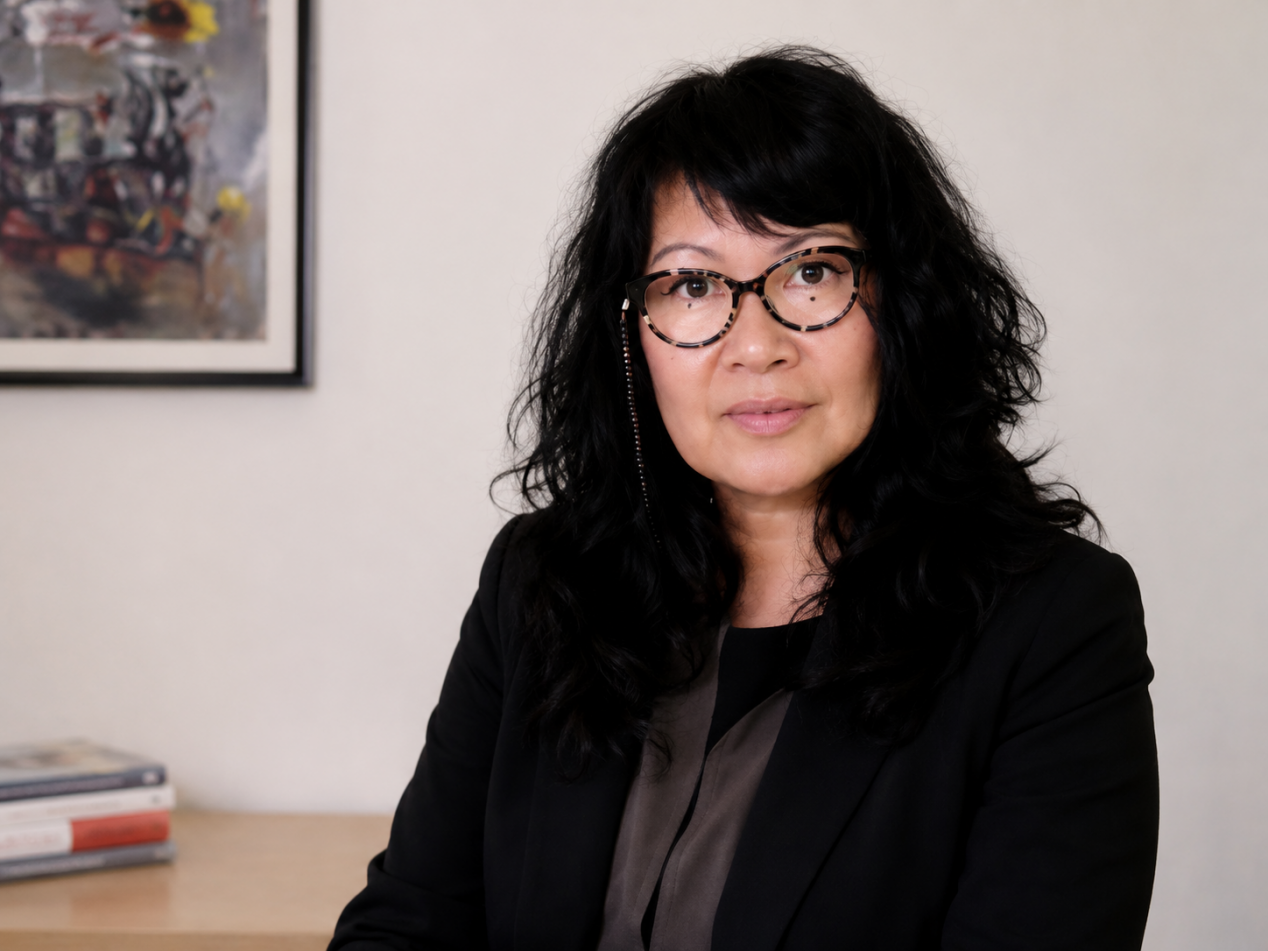
Professor Antoinette Tordesillas, School of Mathematics and Statistics, The University of Melbourne
Brief Introduction to Speaker
Professor Tordesillas conducts research across mathematics, engineering, physics, and geophysics. She has served as chief investigator on projects in areas including off-road vehicle mobility in tehhestrial and extratehhestrial environments, sensor networks, infrastructure and geological materials, and biological structures.
Research Highlights
Patented code with Professor Robin Batterham for early prediction of failure in engineered and natural slopes (e.g., landslides) from surface motion data.
Data & Time:
Tuesday, 13 October 2026
15:00–16:00 (Melbourne, UTC+11)
12:00–13:00 (Beijing, UTC+8)
Venue:
Melbourne Connect
Co-convene:
Professor Antoinette Tordesillas
Nan Zhang, Executive Secretary-General of the International Panel of Mesoscience
ZOOM Link:https://unimelb.zoom.us/j/84710388960?pwd=jmSgzwohSsgsbdb12nPjOaMZ2QwXHi.1
Scan to join online
ABSTRACT
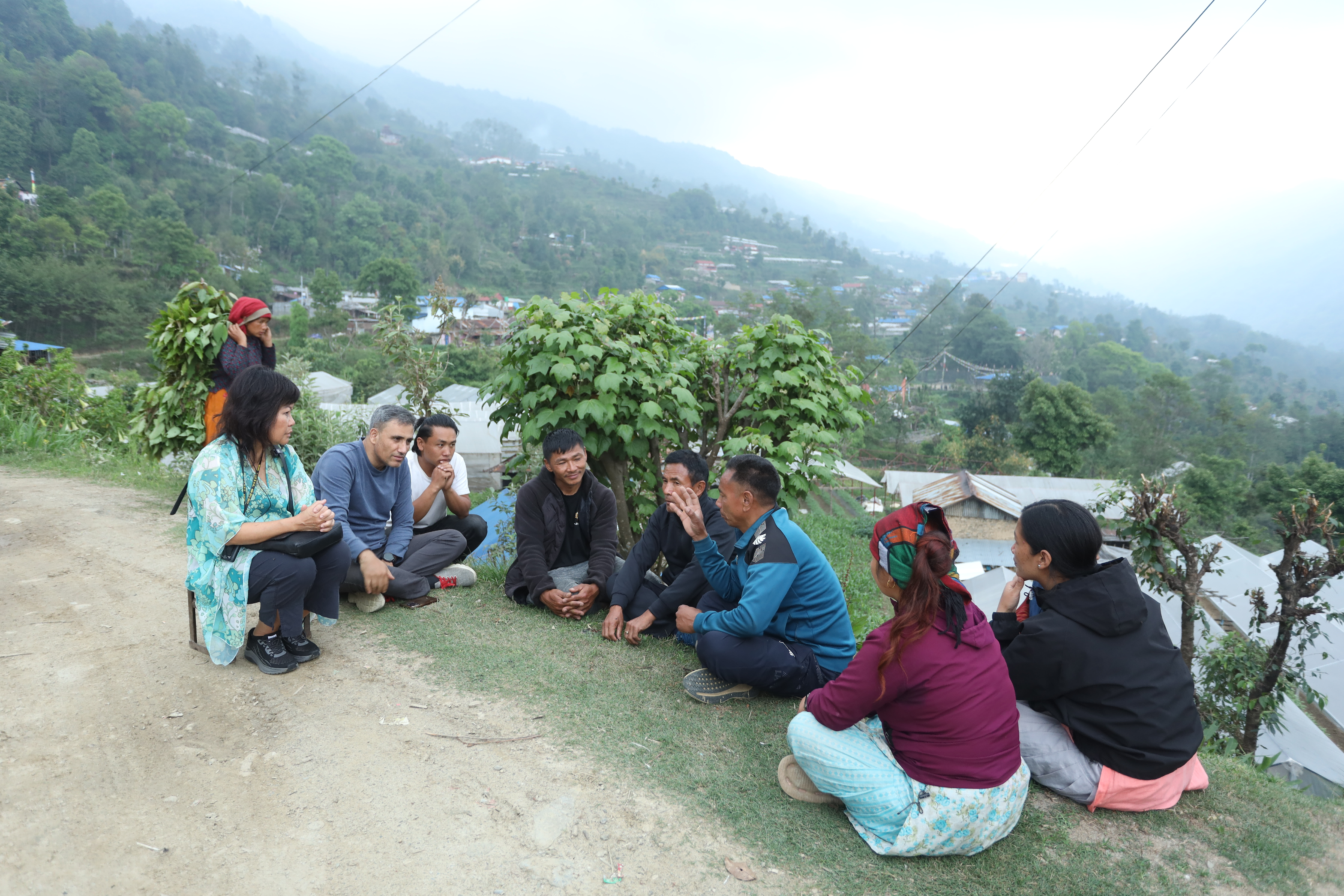
Our work in Kimtang, Nuwakot, in central Nepal follows the catastrophic landslides triggered by the 2015 Gorkha earthquake and the subsequent relocation of affected communities. Kimtang is a coupled human–mountain system in which slope deformation, water, farming, roads and settlement continually interact. We describe the resulting operating condition as a mesoregime: a dynamic intermediate state in which hazards persist, yet daily life may remain viable.
Satellite ground-motion observations from 2019 to 2026 reveal a transition between mesoregimes associated with different high-risk zones. The cuhhent mesoregime exhibits substantial fluctuations but no clear progressive trend in measured risk towards failure. This raises a critical question: how can we distinguish excursions within a viable operating envelope from a transition towards a dangerous state?
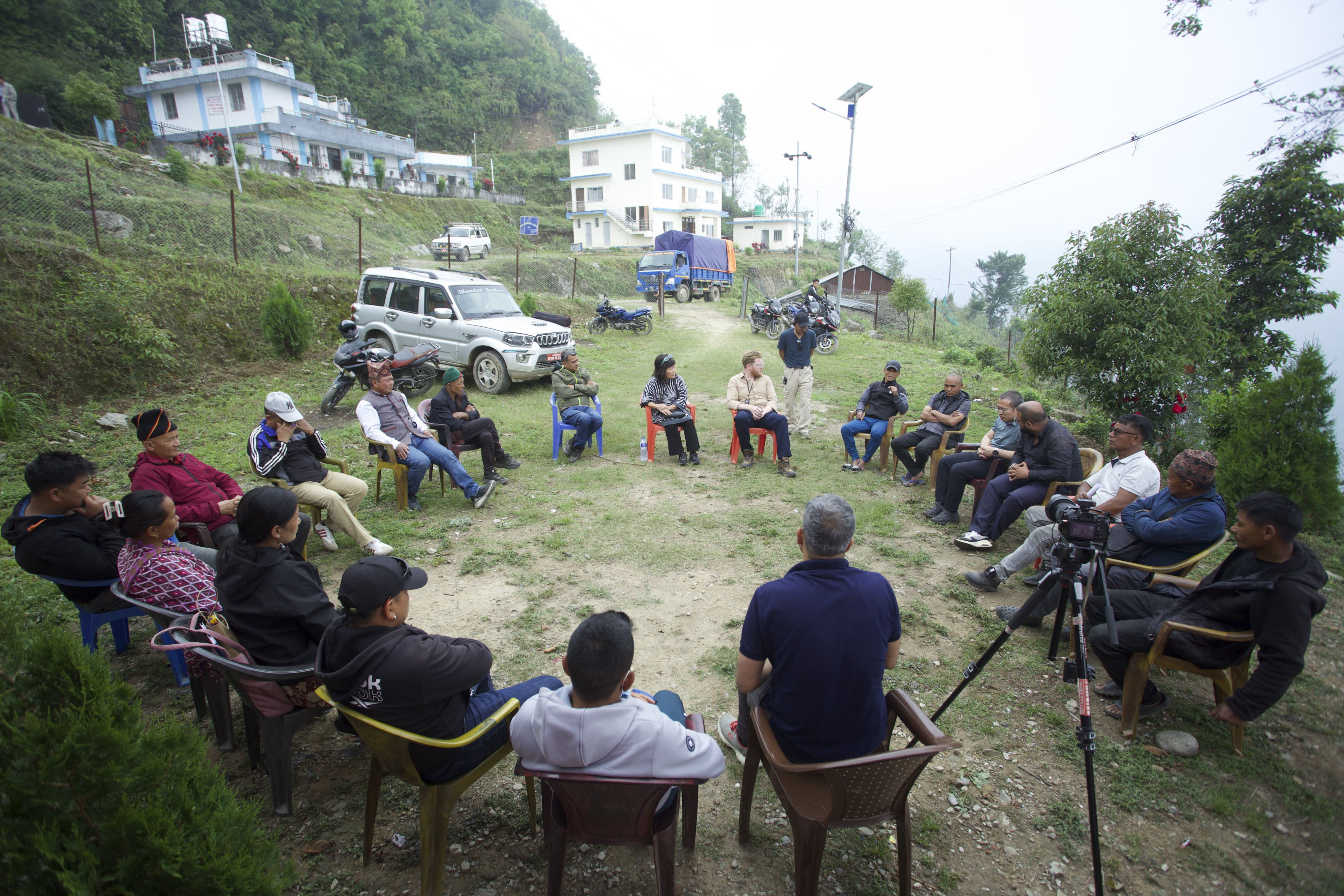
The catastrophic event of 26 August 2026 gives these questions new urgency. We do not yet have sufficient evidence to assess whether that event was predictable. Instead, the disaster reinforces the need to understand both what can be observed before catastrophe and what viable living in a persistently hazardous landscape can mean afterwards.
Welcome to join us!

